
One of the most well-known benefits of houseplants is their ability to improve indoor air quality. Plants are natural air purifiers, absorbing carbon dioxide and releasing oxygen through the process of photosynthesis. They also help to remove harmful toxins such as formaldehyde, benzene, and trichloroethylene from the air, resulting in cleaner, fresher indoor air.
(Image: https://p0.pikist.com/photos/481/234/chestnut-tree-field-meadow-farm-sky-clouds-beautiful-sunrise-sunset-thumbnail.jpg)In addition to light, tropical houseplants require regular watering and humidity to thrive. Most tropical plants prefer to be kept consistently moist, but not waterlogged, so be sure to water them when the top inch of soil feels dry to the touch. To increase humidity levels, particularly in drier climates, consider misting your plants regularly or placing them on a tray of pebbles filled with water.

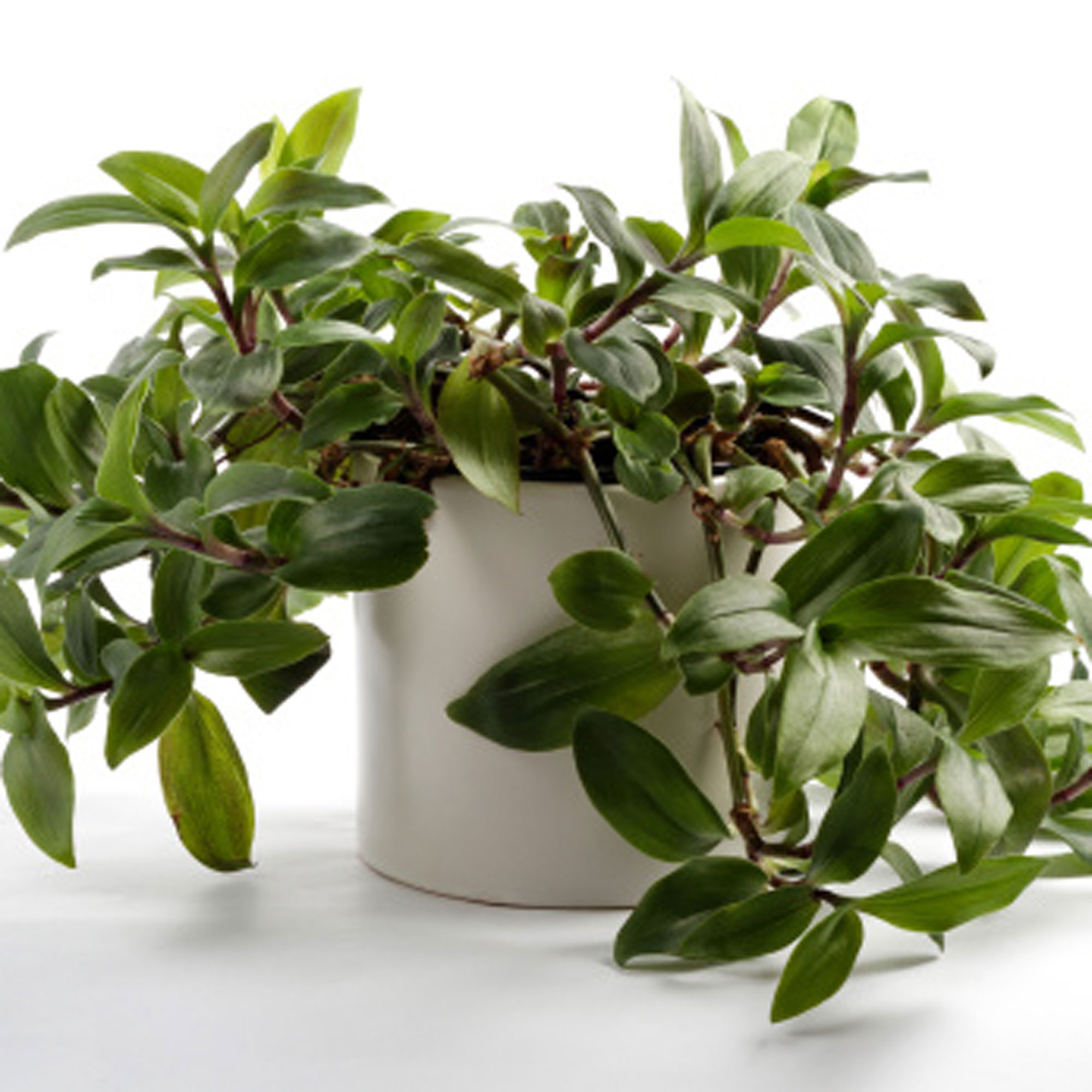
(Image: https://img.sunset02.com/sites/default/files/image/2015/11/main/inch-plant-getty-xl.jpg)Furthermore, tropical houseplants can enhance productivity and concentration in indoor environments. Research has demonstrated that the presence of plants in workspaces can improve focus, creativity, and cognitive function, leading to increased productivity and efficiency. By creating a more inviting and naturalistic atmosphere, tropical houseplants can help individuals feel more connected to their surroundings and motivated to work.
3D garden design tools are not just beneficial for homeowners, but also for landscapers and garden designers. By creating a 3D model of the proposed garden, professionals can effectively communicate their vision to clients, ensuring that everyone is on the same page before any construction begins. This collaborative approach can lead to a more efficient and successful project, with fewer misunderstandings and revisions along the way.
There is a wide variety of tropical houseplants to choose from, each with its unique characteristics and care requirements. Some popular choices include the lush and tropical monstera deliciosa, the colourful and easy-to-care-for calathea, and the striking and resilient fiddle leaf fig. Whether you prefer large statement plants or small, delicate specimens, there is a tropical houseplant to suit every taste and space.
Lighting and planting play a crucial role in the overall aesthetics and functionality of a garden. In a 3D garden design, designers can simulate different lighting conditions and plant placements to optimise the visual appeal and practicality of the outdoor space. By adjusting the position of lights and plants in the 3D model, homeowners can ensure that their garden is bright, welcoming, and easy to maintain.
3D garden design has revolutionised the way we approach landscaping projects, allowing homeowners to visualise and plan their outdoor spaces with unprecedented realism and detail. By leveraging the benefits of this technology, individuals can collaborate with designers, experiment with different materials and features, and create a garden that meets their unique preferences and requirements. Whether you are looking to transform your backyard into a peaceful retreat or revamp your front yard for curb appeal, 3D garden design can help you achieve your vision with confidence and precision.
As the trend of bringing the outdoors inside continues to gain popularity, tropical houseplants have become a staple in many homes across the UK. These versatile and vibrant plants not only add a touch of greenery to indoor spaces but also offer a host of benefits for both physical and mental well-being. From improving air quality to boosting mood and productivity, tropical houseplants are a must-have for any indoor plant enthusiast.
When selecting tropical houseplants for your home, it is essential to consider factors such as light levels, humidity, and temperature. Most tropical plants thrive in bright, indirect sunlight and require regular watering to keep their soil moist but not waterlogged. Humidity-loving plants like ferns and orchids may benefit from misting or a humidifier to create the ideal growing conditions. It is also important to avoid exposing tropical houseplants to drafts, cold temperatures, or sudden changes in environment, as this can stress the plants and lead to health problems.
Furthermore, the presence of houseplants has been linked to a range of mental health benefits, including reduced stress, improved mood, and increased productivity. The act of caring for plants can be meditative and therapeutic, providing a sense of purpose and connection to nature. In a world increasingly dominated by screens and technology, tropical houseplants offer a welcome respite and a chance to reconnect with the natural world.
One of the primary benefits of 3D garden design is the ability to visualise and plan your outdoor space before any physical work begins. This allows homeowners to experiment with different layouts, materials, and features, ensuring that the final result meets their expectations. By viewing the design in 3D, individuals can gain a better understanding of how the garden will look from different angles and perspectives.
Some popular tropical houseplants for indoor spaces include the Monstera deliciosa, known for its large, glossy leaves and striking Swiss cheese-like patterns. The Peace Lily, with its elegant white blooms and dark green foliage, is a popular choice for adding a touch of elegance to any room. The Snake Plant, with its upright, sword-like leaves, is a hardy and low-maintenance plant that can thrive in a variety of conditions.
Fatal error: Allowed memory size of 402653184 bytes exhausted (tried to allocate 20480 bytes) in /htdocs/wiki/lib/plugins/authplain/auth.php on line 441
Fatal error: Allowed memory size of 402653184 bytes exhausted (tried to allocate 20480 bytes) in /htdocs/wiki/inc/ErrorHandler.php on line 76